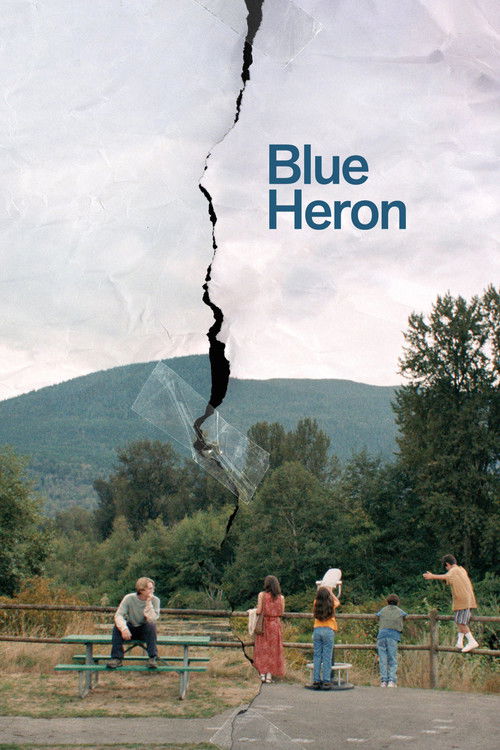
Blue Heron
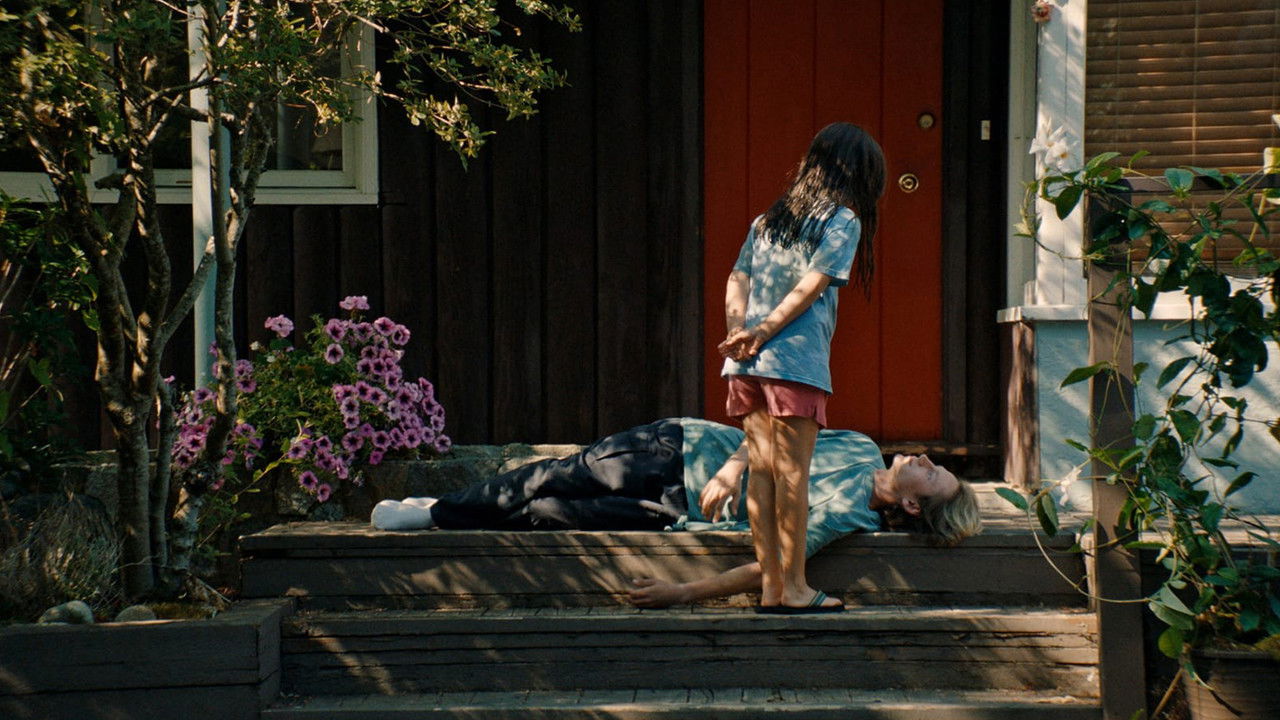
In the late 1990s, a family of six settles into their new home on Vancouver Island, as internal dynamics are slowly revealed through the experiences of the youngest child, Sasha. Their fresh start is interrupted by the increasingly dangerous behavior of Jeremy, the family's oldest child.
Review Sentiment
Sasha confronts the limits of memory and what she can never fully know about Jeremy
The film shifts into slow documentary mode following adult Sasha's investigation
The film drops from its peak documentary-panel sequence (9.3) to the slower present-day investigative section (7.8), a swing of 1.5 points as the structural pivot divides viewers before the emotional climax rebuilds momentum.
Blue Heron earns near-universal praise for its quietly devastating portrait of a family undone by undiagnosed mental illness, with sentiment building steadily through an immersive 1990s childhood perspective before a bold structural pivot to meta-documentary filmmaking momentarily divides viewers. The film recovers strongly in its final act, where Sasha's adult reckoning with fragmented memory and unresolved grief produces the most emotionally powerful passages. A small minority found the execution uneven, but the overwhelming consensus celebrates Romvari's assured debut as a profound, inventive, and deeply felt work.


Crew
Write a Review
Rate each story beat:
0 of 8 rated
Beats you skip are left out of your arc.
Your review score is half your beat ratings, half this rating.