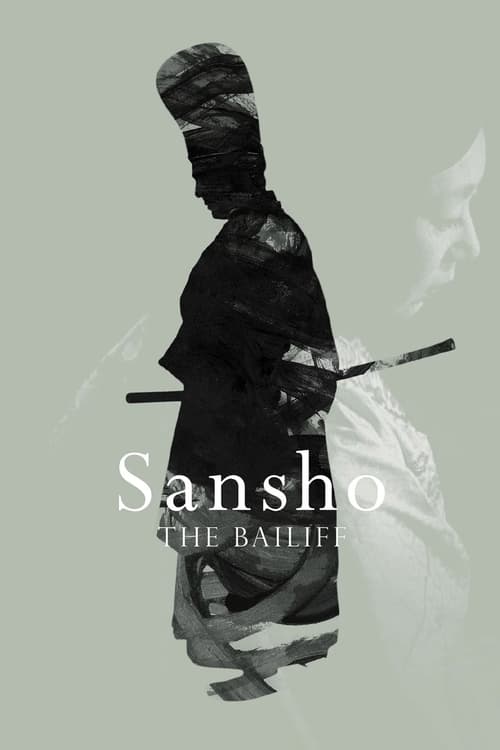
Sansho the Bailiff
In 11th-century feudal Japan, following the exile of an idealistic governor, his wife and children are separated by slave traders; the children, Zushio and Anju, are sold into brutal servitude under the cruel bailiff Sansho.
Review Sentiment
Blind and broken Tamaki recognizes Zushio by touch of the Kannon statuette on the beach
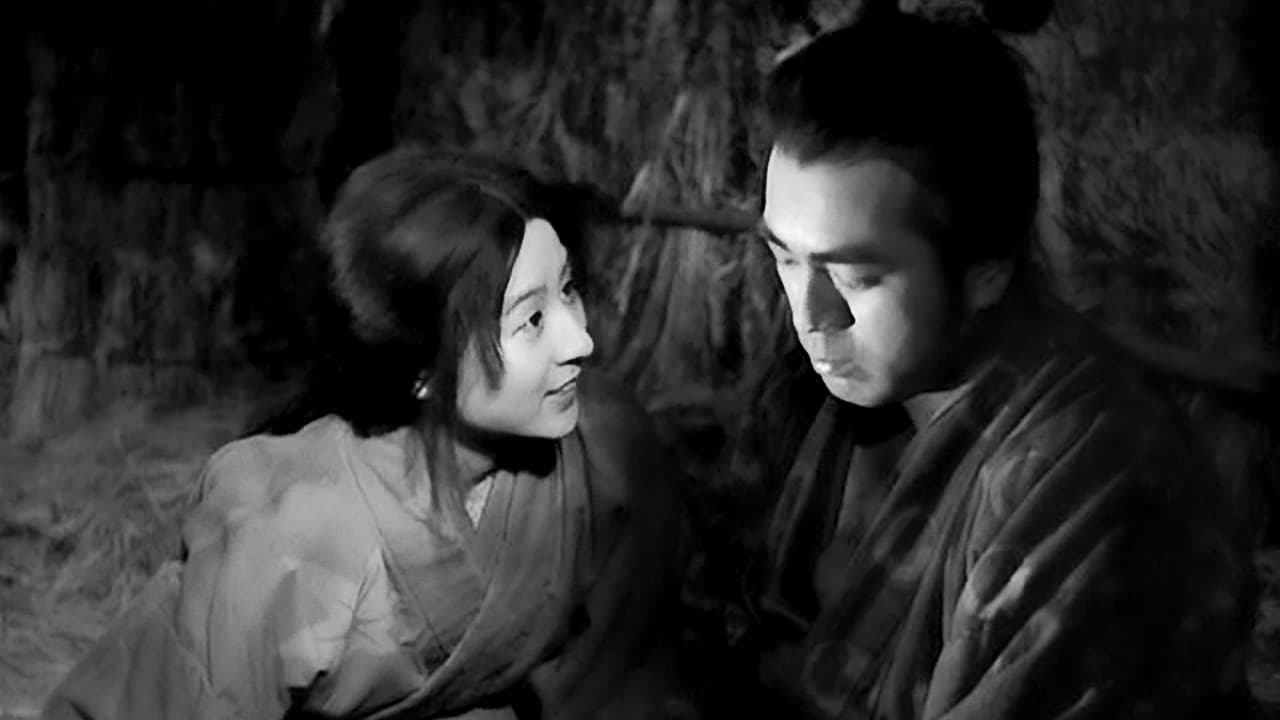
Sansho's humane son Taro urges Zushio and Anju to survive and bide their time
The film's largest upward swing occurs from the relatively underdeveloped Taro interlude (7.4) into the electrifying moment Anju hears the Sado song naming her and her brother (8.4), which then accelerates sharply into Anju's self-sacrifice at the lake (9.1), a rise of nearly two full points across roughly twenty minutes.
Sansho the Bailiff sustains a high baseline of critical and emotional admiration throughout, with reviewers consistently praising the black-and-white cinematography, the moral weight of the father's proverb, and Mizoguchi's refusal of sentimentality. The arc dips only modestly in the middle sections where pacing feels compressed, then climbs steeply through Anju's sacrifice and Zushio's liberation of the slaves before reaching its apex in the final beach reunion, which reviewers across the board describe as one of cinema's most devastating and luminous endings. The overall sentiment is one of profound, hard-won beauty: a film that breaks the viewer and leaves them grateful for it.
Full cast
Showing 20 of 36
Kinuyo Tanaka
Tamaki
Yoshiaki Hanayagi
Zushiô

Kyōko Kagawa
Anju

Eitarō Shindō
Sanshô dayû

Ichirō Sugai
Minister of Justice

Bontarō Miake
Kichiji
Yōko Kozono
Kohagi

Chieko Naniwa
Ubatake
Kikue Mōri
Priestess
Ken Mitsuda
Prime Minister Fujiwara

Masao Shimizu
Masauji Taira

Ryōsuke Kagawa
Ritsushi Kumotake

Akitake Kōno
Taro

Kanji Koshiba
Kaikudo Naito
Shinobu Araki
Sadaya

Masahiko Tsugawa
Young Zushiō
Keiko Enami
Young Anju

Teruko Ōmi
Nakagimi

Kimiko Tachibana
Namiji
Reiko Kongō
Shiono
Crew
Write a Review
Rate each story beat:
0 of 8 rated
Beats you skip are left out of your arc.
Your review score is half your beat ratings, half this rating.